

🔥 1

A session with Jenny Kleeman

How Sci-fi Inspires Tech Innovation

Jenny Kleeman

How Sci-fi Inspires Tech Innovation

Jenny Kleeman, Freelance Journalist, Author, and Broadcaster

Jenny Kleeman explores the symbiotic relationship between science fiction and technological innovation, arguing that speculative storytelling often provides the essential blueprints for modern advancements. While tech can restore human agency through tools like neural interfaces, Kleeman highlights a critical tension: technologists frequently fetishize historical sci-fi tropes while simultaneously undervaluing contemporary artists. Ultimately, she emphasizes that technology must serve as a tool for human expression rather than an independent solution, warning that innovation fails when it lacks a coherent, human-centered narrative.

Insight

Technology and humanity collide in the most unexpected ways.

Journalistic inquiry often thrives at the intersection of human experience and technological advancement, revealing the strange friction points where our tools redefine our existence.

1 — Does technology inspire imagination, or does imagination drive technological innovation?

While it is intuitive to assume that new tools automatically lead to creative breakthroughs, the history of innovation suggests that human imagination often precedes the technology itself. Science fiction, in particular, has served as a decades-long blueprint for the groundbreaking tools and systems that define our modern reality. By looking at the interplay between storytelling and engineering, we can see that technology functions best as a tool for human expression rather than an independent solution. The most significant advancements emerge when we use our capacity for speculative thought to guide the development of the machines we build.
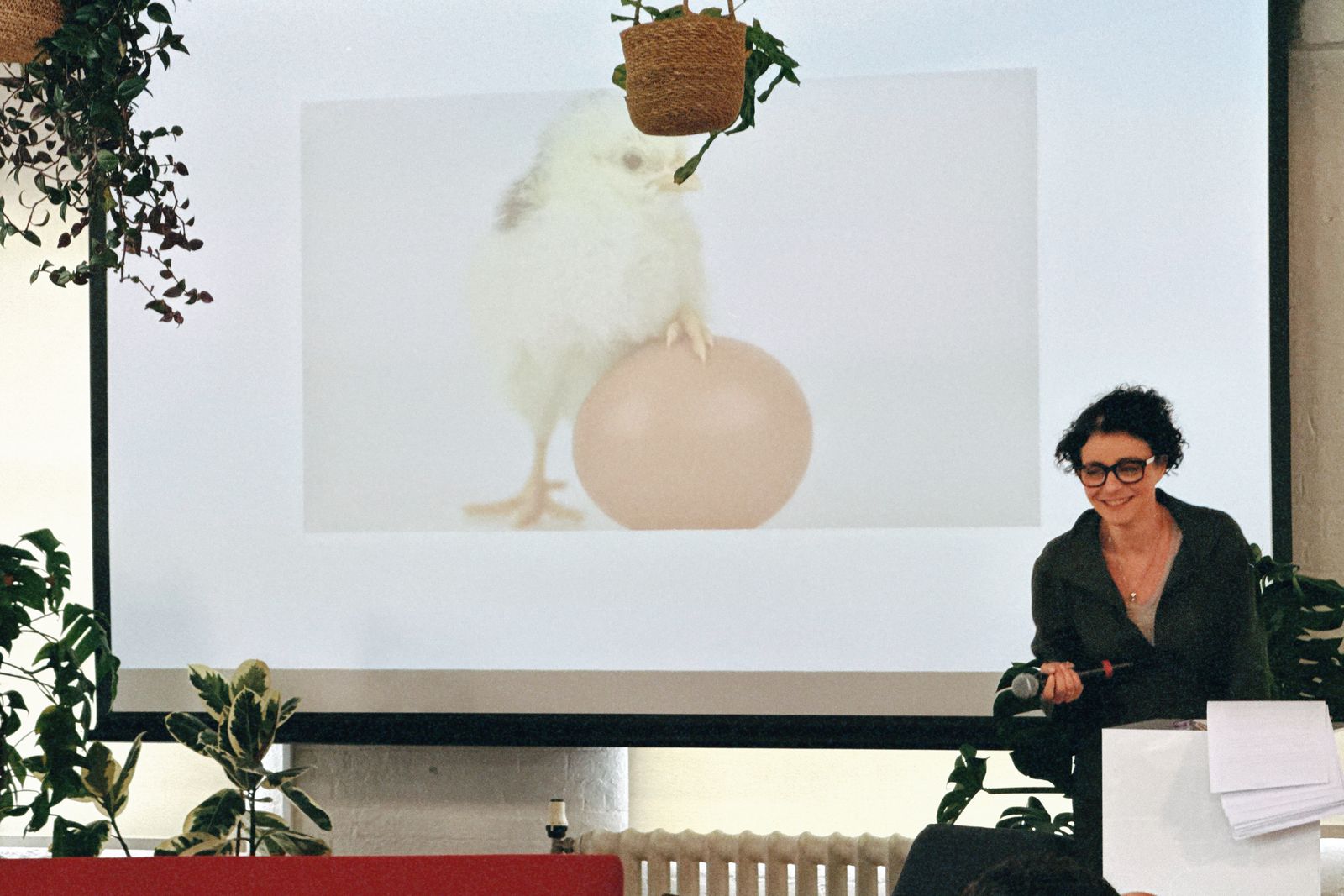

“Some of the most groundbreaking innovations shaping our future have been inspired by Sci-Fi.”

Future Makers

2 — Brain-computer interfaces offer profound restoration of agency for the paralyzed.

By bypassing physical limitations, neural implants allow individuals to interact with digital environments and social networks through thought alone, transforming a life of total dependency into one of active participation. This technology shifts the user from a passive recipient of care to a digital star capable of playing games and engaging with global communities.

Insight

Technological innovation often relies on the prior existence of science fiction tropes.

Real-world developments like autonomous transit pods and artificial wombs were first imagined as speculative fiction before being engineered into reality. This suggests that creativity acts as a necessary precursor to technical progress.

3 — Why has lab-grown meat failed to reach mass adoption?

Despite the promise of climate benefits and animal welfare, lab-grown meat remains absent from consumer plates due to high production costs, regulatory hurdles, and a visceral consumer reaction to its texture. The product triggers a primeval instinct that signals danger, making it difficult for people to accept as food. Beyond the physical experience, the industry has struggled to define itself through a coherent narrative. The inability to settle on a name—ranging from 'clean' to 'cultivated'—has prevented the creation of a compelling story that consumers can trust and embrace.

Insight

Avatar therapy empowers patients to confront and silence persecutory voices.

By manifesting internal hallucinations as a digital avatar, patients can engage in a controlled dialogue with their voices, guided by a therapist acting as a puppeteer. This process shifts the power dynamic, allowing individuals to assert themselves and often significantly reduce the frequency or distress of intrusive thoughts.

Insight

Innovation and imagination exist in an infinite, reciprocal loop.

Rather than one preceding the other, technology and storytelling are inextricably linked, with science fiction tropes providing the foundational blueprints that later manifest as real-world technological breakthroughs.

4 — Why do technologists prioritize the output of artists while remaining disinterested in the artists themselves?

Technologists often treat art as a raw material to be mined and converted into reality, yet they frequently view contemporary creators as lacking the caliber or financial success of those in tech. This creates a dynamic where they fetishize historical literature while failing to engage with the potent, critical force of living artists. This detachment is exacerbated by a culture that equates financial success with personal value, leading many in the industry to dismiss artistic pursuits as less significant than their own commercial endeavors.

0%
Back to programme