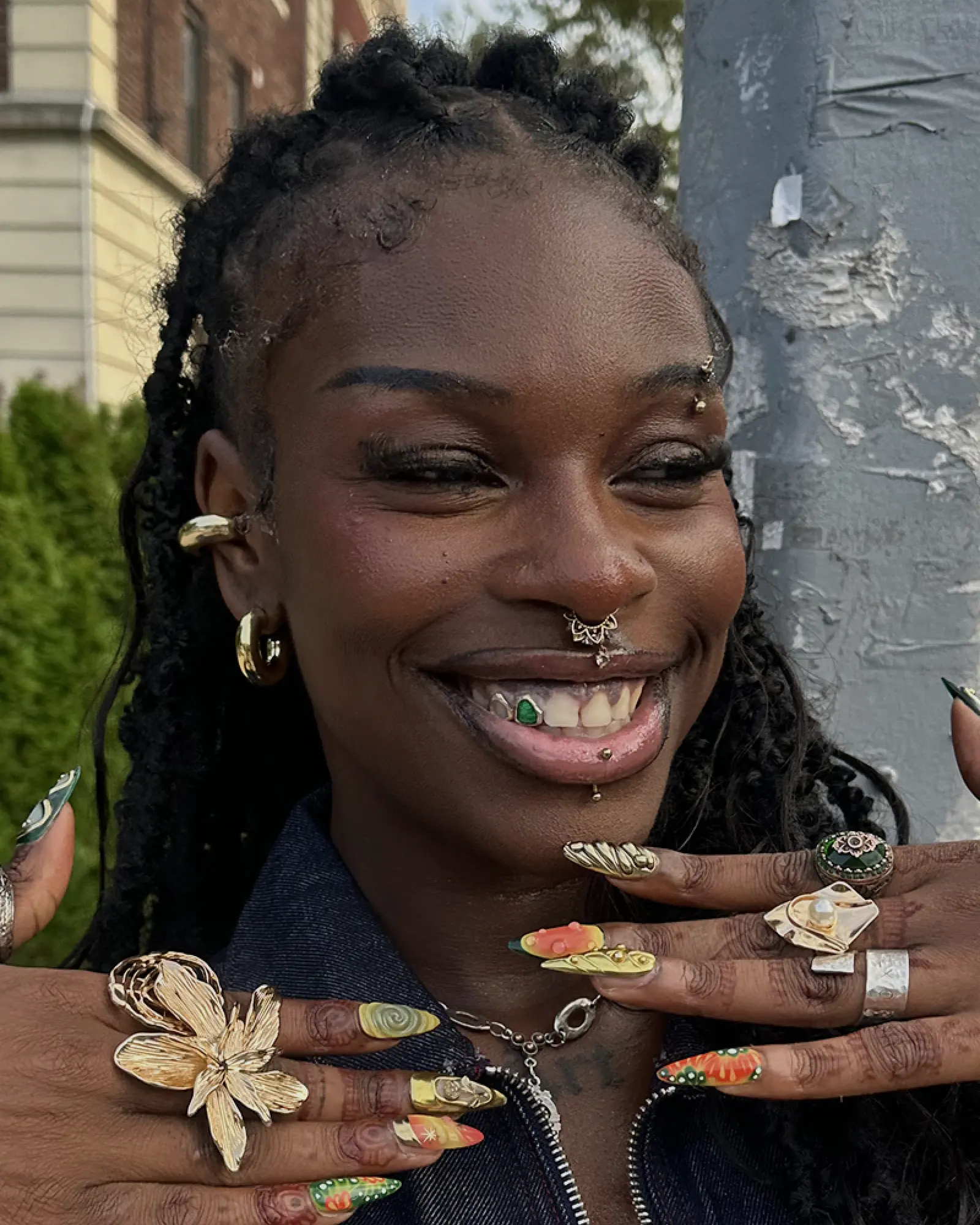
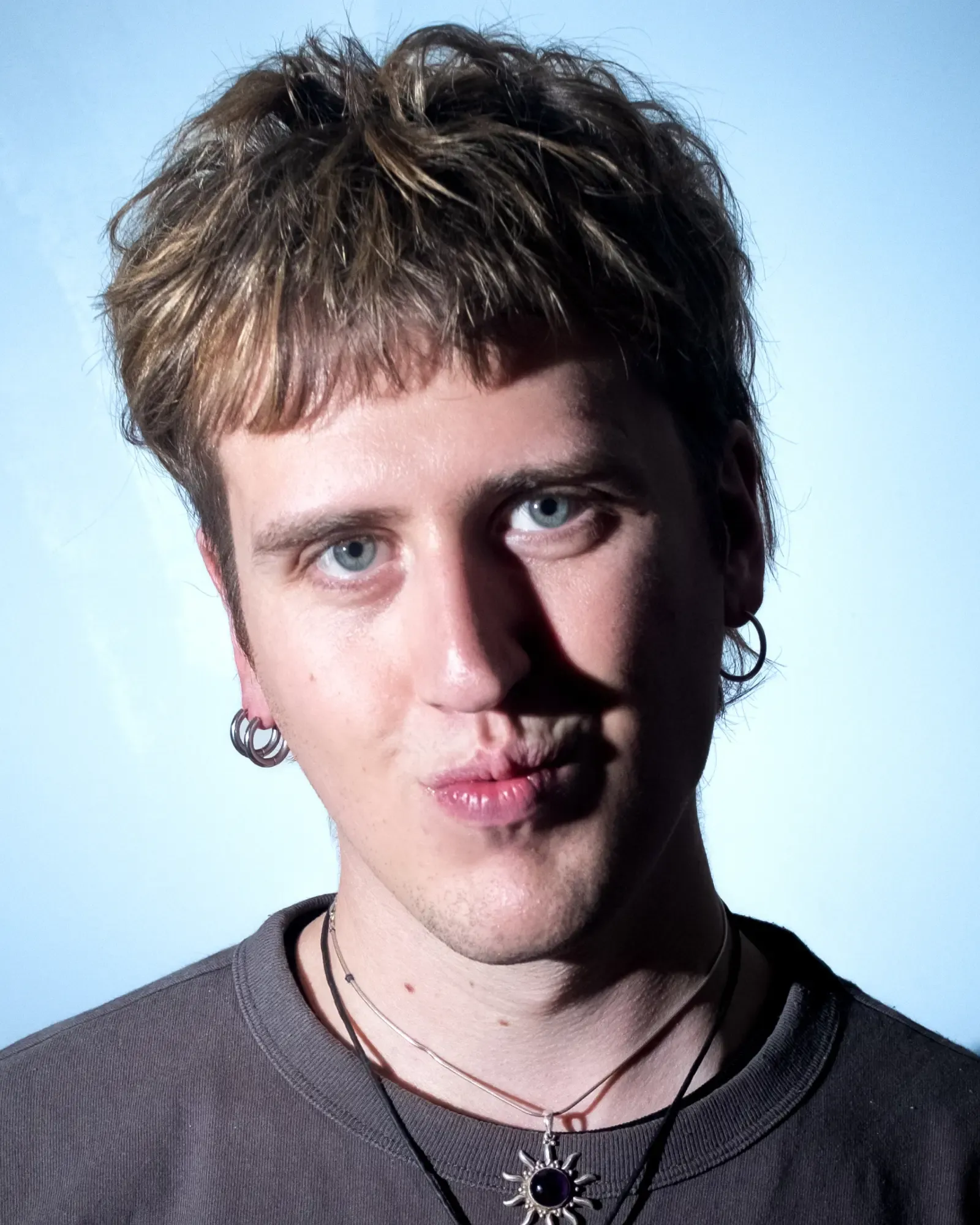
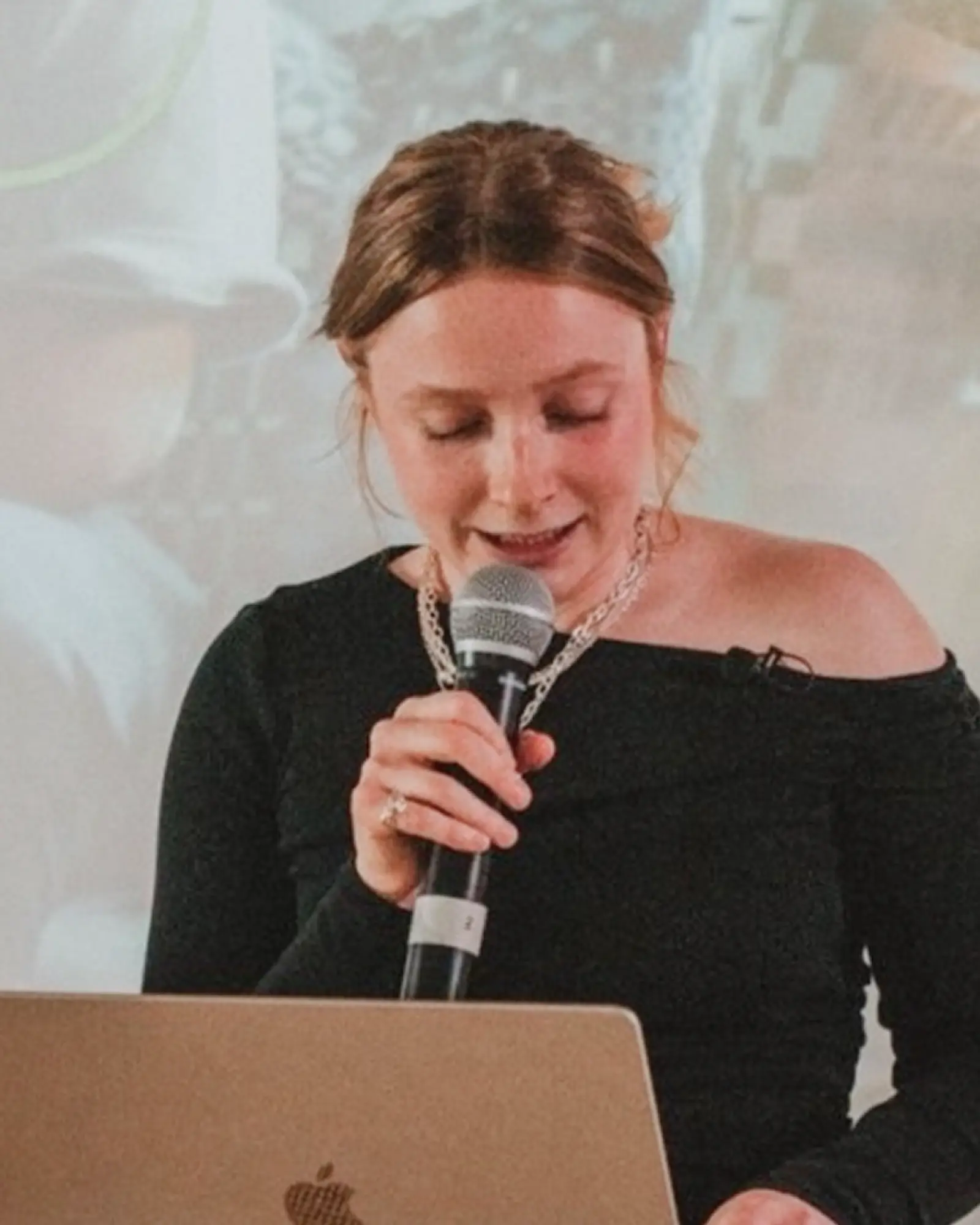


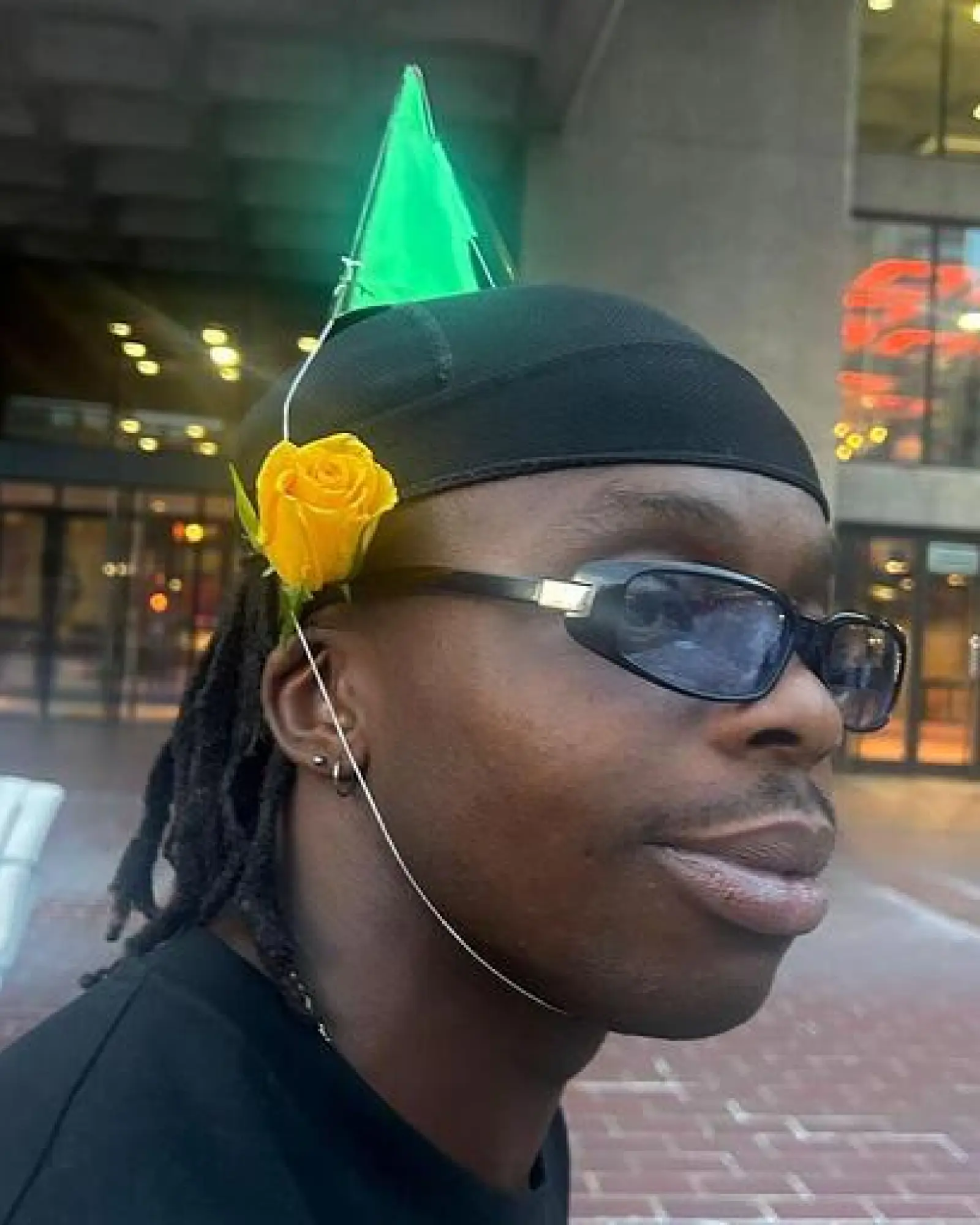
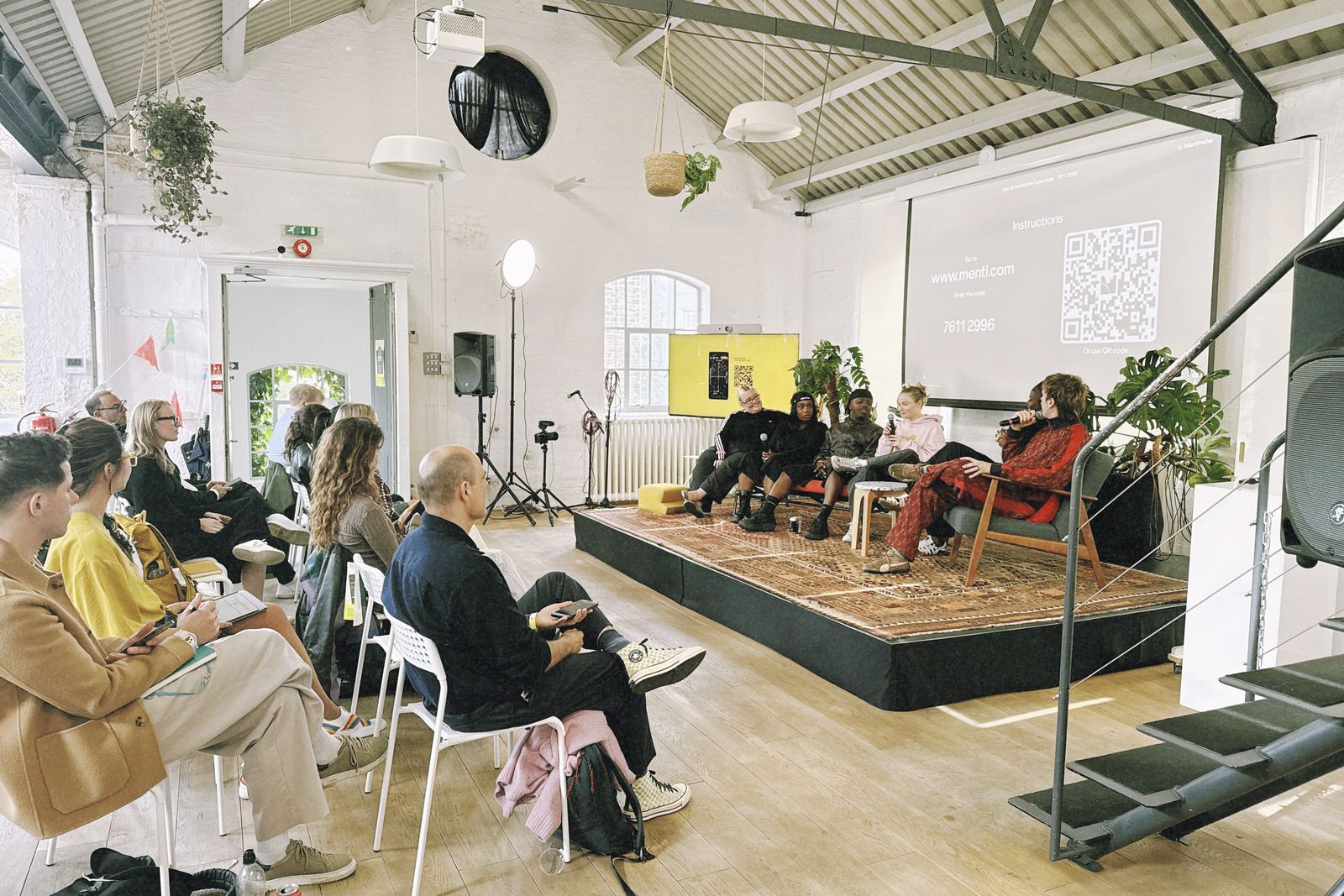
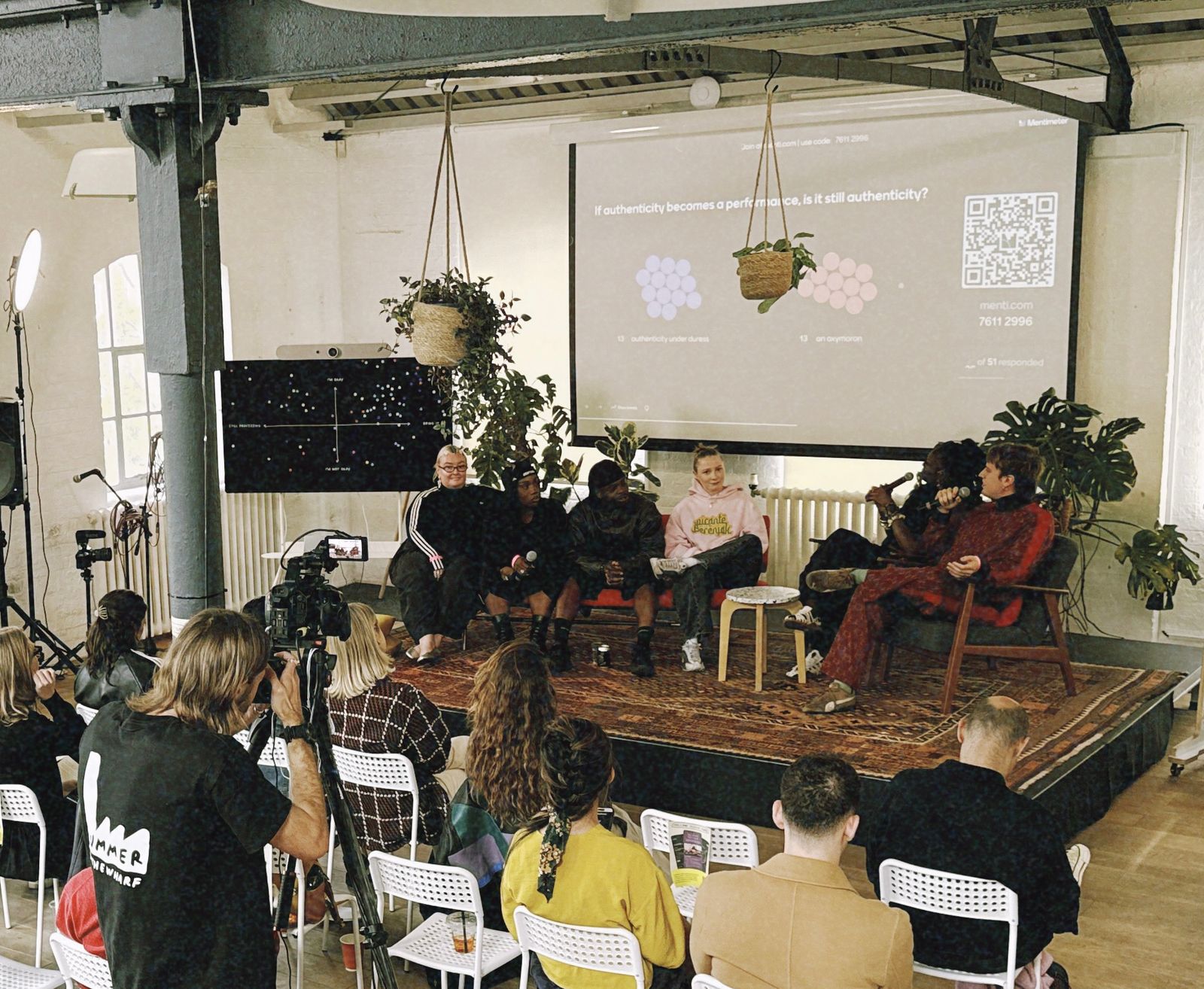
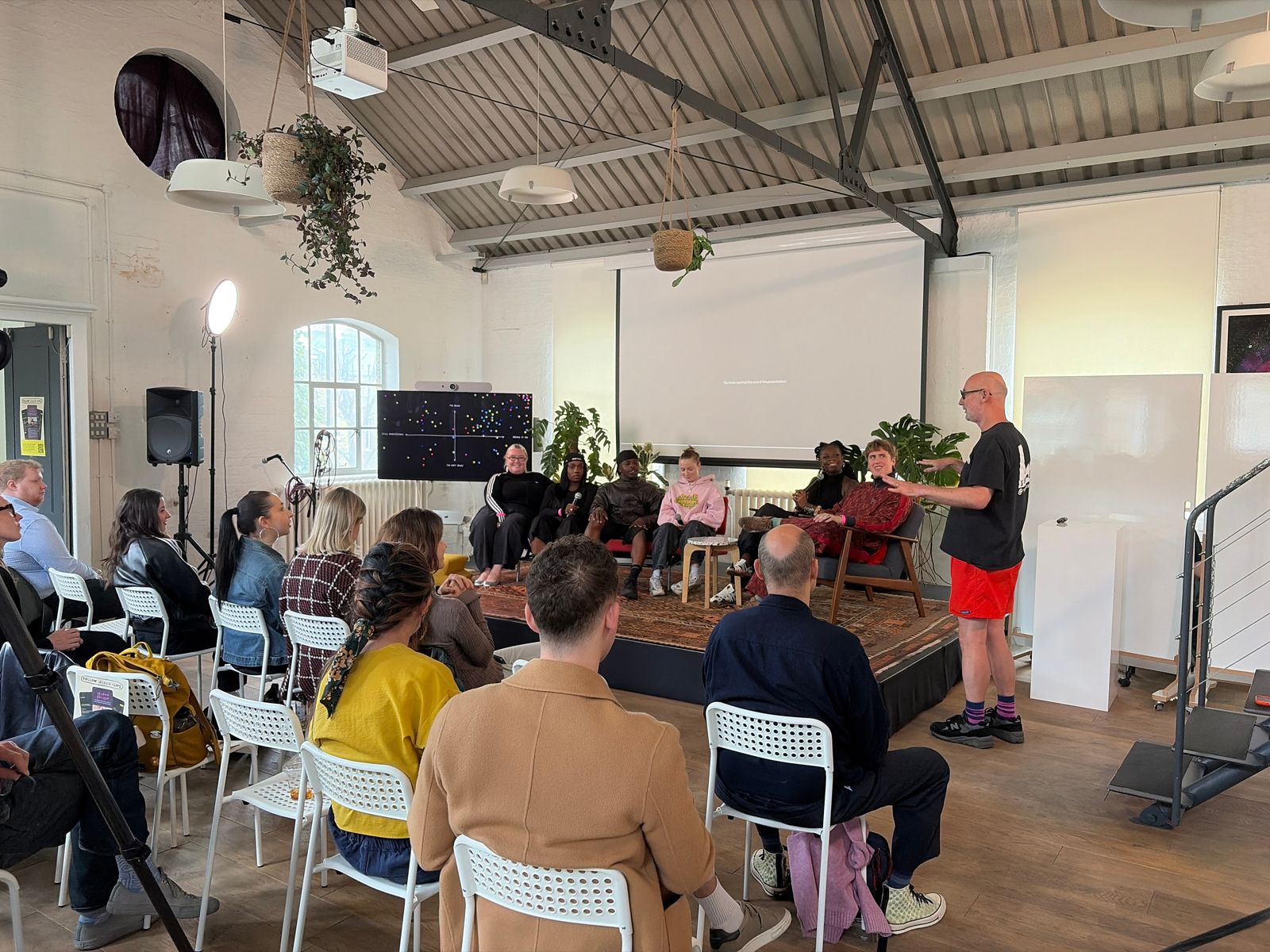
A session with Eliza Adedeji, Jacob Stratfold, Eliza Power, Fatimah Waheeb, Annie House and Chris Eyitayo

What Even is Online Anymore?

Eliza AdedejiJacob StratfoldEliza PowerFatimah WaheebAnnie HouseChris Eyitayo

What Even is Online Anymore?

Eliza Adedeji, Jacob Stratfold, Eliza Power, Fatimah Waheeb, Annie House and Chris Eyitayo

This session explored how digital connectivity has evolved into a persistent layer of reality, rendering the offline-online distinction obsolete. Panelists discussed how algorithmic platforms and dating apps force a performative, curated version of the self, often flattening subcultures through a shortcut mentality. While digital spaces offer broad exposure, participants highlighted a growing desire to reclaim physical friction and intentionality, noting that true authenticity remains elusive in an era where being online is a requirement for social and economic participation.

Insight

Is it still possible to be truly offline?

The distinction between being online and offline has eroded over the last two decades, suggesting that digital connectivity is no longer a state one enters or exits. Instead, the digital realm has become a persistent layer of reality that mediates daily life regardless of physical location.

1 — Why is being offline considered a modern privilege?

The necessity of digital tools for professional and personal survival makes total disconnection nearly impossible for most people. Because modern life requires constant access to email and smartphones, choosing to be offline is no longer a default state but a luxury that few can afford. Furthermore, the social cost of disconnection is high, as those who step away from the digital stream often feel alienated from the ongoing cultural conversation. This creates a cycle where staying online is a requirement for both economic participation and social belonging.
Insight

Is it possible to be truly authentic in an online space?

Authenticity is inherently compromised by the act of curation, as every digital post involves a conscious decision to share a specific aspect of one's life. Even seemingly casual content, such as an Instagram photo dump or a movie review on Letterboxd, is filtered through a lens of intentionality. The act of broadcasting a personal experience requires selecting what to show, the digital representation of the self is always a performance rather than a raw, unmediated reality.

Insight

Digital platforms force a reluctant form of identity performance.

The architecture of online spaces requires users to categorize and label themselves before they have even established real-world connections, creating a state of authenticity under duress. This digital apparatus imposes a rigid structure on identity formation that is absent in offline interactions.

Insight

Does the audience size on a platform dictate the authenticity of the performance?

The shift from curated, long-term social graphs like Instagram to algorithmic, lottery-based discovery on TikTok fundamentally alters how users perceive their audience. Because TikTok content is often served to strangers rather than a known social circle, the nature of the performance changes, forcing users to redefine what authenticity means in a context where they are no longer speaking to people they know.

Insight

Effective digital presence requires balancing tonal authenticity with visual excellence.

Brands often mistakenly view these as mutually exclusive, but the most successful online identities combine a self-deprecating, shit-posting tone with a high-level curatorial eye. Being bold with both dimensions allows content to cut through the noise.

Insight

Dating apps encourage users to curate profiles like professional resumes.

Users treat dating profiles as performance spaces where they select specific keywords and tones to optimize for perceived desirability, mirroring the transactional nature of LinkedIn. This curation often fails to capture the nuance of a person's actual character.

Insight

Digital platforms have fundamentally altered the mechanics of human connection.

Online spaces have evolved from simple communication tools into primary environments for meeting people and forming mutuals, effectively becoming a new social interface. This shift creates a complex reality where digital connection is both a necessary and sometimes unfortunate byproduct of our current social and economic state.

Insight

Hyper-optimization of digital experiences drives a resurgence in analog friction.

As platforms like Spotify and Netflix make content consumption frictionless and infinite, users are increasingly seeking out the intentional difficulty of physical media like vinyl or curated DVD collections. This trend reflects a human desire to reclaim the 'tension' lost in overly optimized digital environments.

Insight

Digital platforms are flattening personality and eroding distinct subcultures.

The homogenization of digital expression, from dating app profiles to creative output, creates a bell curve where unique fringe niches are replaced by a standardized, algorithmic language. This trend suggests that online spaces are actively dismantling the barriers to entry that once defined and protected subcultural identities.

Insight

Does digital access to subcultures replace the need for deep engagement?

While digital platforms allow individuals to explore diverse identities and interests simultaneously, they often encourage a 'shortcut mentality' that bypasses the necessary work of understanding a culture's history and legacy. This creates a tension between the beauty of broad exposure and the superficiality of participating in communities without doing the 'required reading' to earn one's place.

“There's this short-cut mentality – like you can just do the surface level thing to learn the culture.”

0%
Back to programme