
🔥 1

A session with Oliver Sweet

The Rules That Make Us

Oliver Sweet

The Rules That Make Us

Oliver Sweet

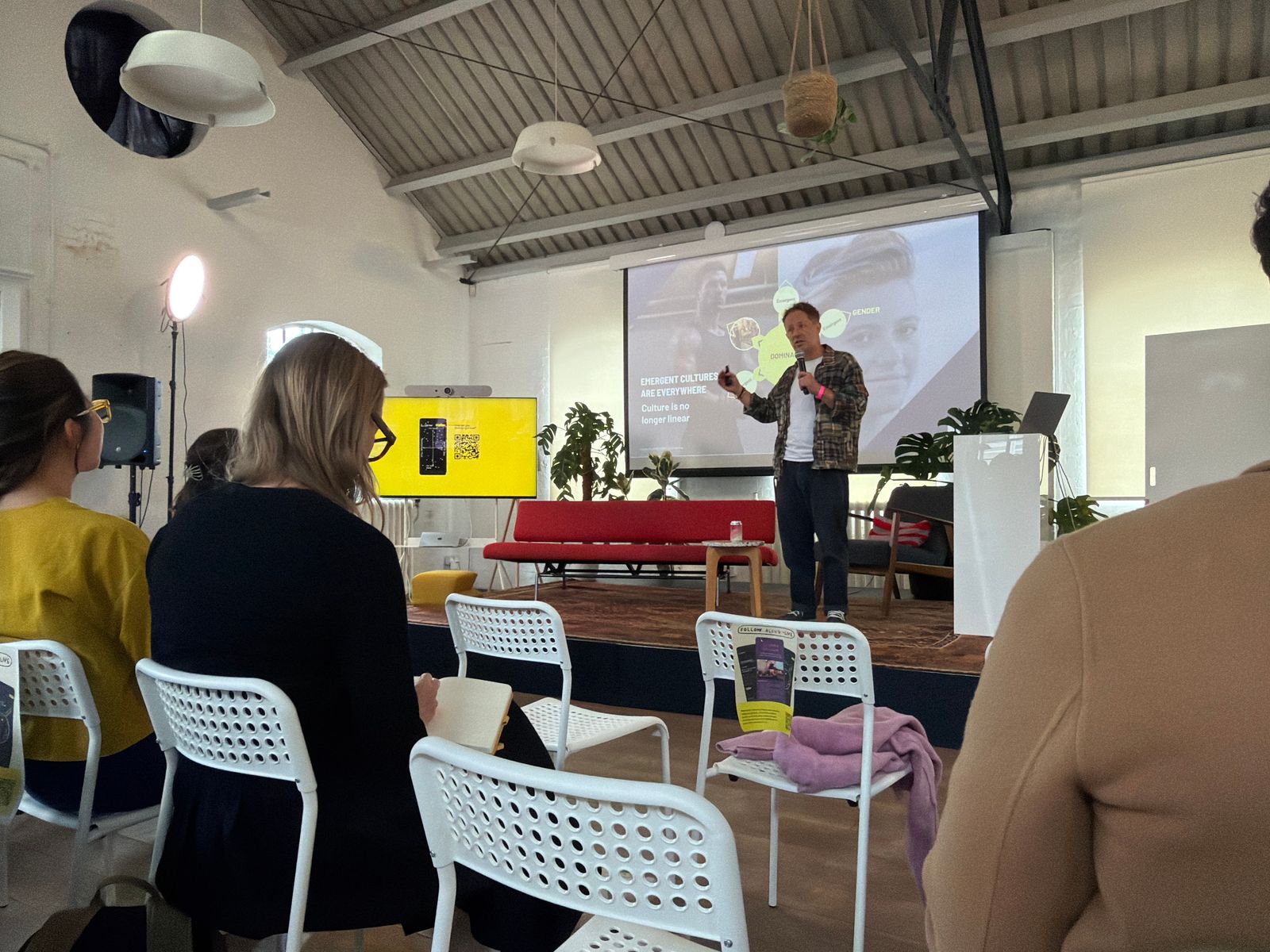
Oliver Sweet explores how culture, rather than cognition, dictates human behavior in an era of eroding institutional trust. As political skepticism drives a shift toward individual agency and tribalism, society has returned to an oral-style culture where symbolism and echo chambers outweigh rationality. This fragmentation, exacerbated by digital overstimulation and the narrowing influence of AI, highlights a critical crisis of trust where ideological alignment increasingly supersedes personal compatibility and collective systemic action.

Insight

Political narratives are eroding public trust in institutional systems.

Long-standing political rhetoric has permeated broader society, fostering a widespread belief that institutional systems no longer exist to support the individual. This skepticism has migrated from the political sphere into the corporate world, fundamentally altering how people perceive their relationship with organizations.

1 — Why are people increasingly turning to strong individual leaders to solve systemic crises?

When individuals feel that institutional systems—whether in politics, workplaces, or society at large—have failed to support them, they experience a crisis of trust. This perceived abandonment drives them to seek out charismatic figures who promise direct solutions, wealth, or dominance, regardless of whether those promises are grounded in reality. This shift reflects a broader cultural move toward individual agency, where people feel empowered to solve complex problems themselves or through singular, heroic figures rather than through collective, systemic action.
Insight

Modern society has returned to an oral-style culture where symbolism outweighs rationality.

The shift toward a symbolic society means that information must be memorable and compelling to survive, mirroring the dynamics of pre-1800s oral cultures. In this environment, the speed and impact of a story matter more than its factual accuracy.

Insight

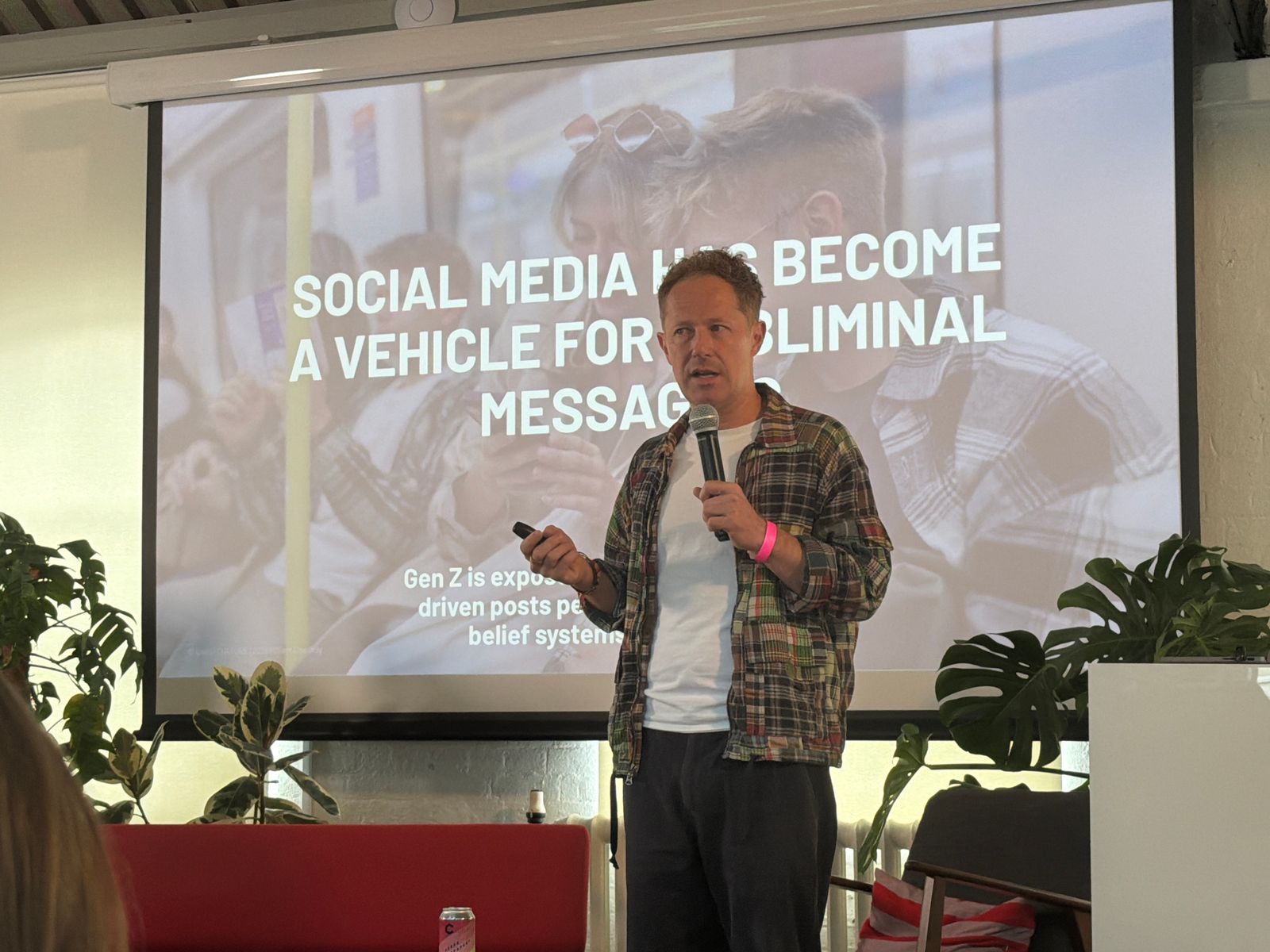
Social media functions as a massive, voluntary vehicle for subliminal messaging.

While users only consciously recall a tiny fraction of the hundreds of posts they scroll through daily, the brain subconsciously registers the vast majority of this content. This creates a persistent, high-volume stream of subliminal influence that we invite into our lives for hours at a time.

2 — Artificial intelligence models inherently prioritize consensus over creative breadth.

By design, AI systems aggregate semantic data to provide the most statistically probable and pleasing answer, which causes them to converge on the middle ground rather than exploring diverse or novel perspectives. This tendency to second-guess user intent effectively narrows the scope of information provided compared to human-generated responses.

Insight

Digital narcissism creates a fragmented society by devaluing outside perspectives.

The rise of digital narcissism encourages individuals to view those outside their own subcultures as inherently inferior or irrational, which ultimately erodes social cohesion. This inward focus can lead to delusional thinking and a profound inability to empathize with different viewpoints.

“Culture has actually overridden a lot of elements of cognition.”

Insight

Political identity has become a primary filter for personal relationships.

The dramatic decline in cross-party marriages since the 1980s suggests that political affiliation now outweighs personal compatibility in partner selection. This shift indicates that our belief systems have become so central to our identity that we prioritize ideological alignment over individual character.

Insight

The erosion of a shared cultural currency is driving people toward tribalism.

As society becomes increasingly fragmented, individuals are retreating into smaller, like-minded communities to preserve a sense of belonging and shared values. This shift reflects a defensive reaction against the loss of a common language or understanding in the public square.

“I think overstimulation is an issue, because I think that we're not learning to think properly.”

The Rot Economy
0%
Back to programme