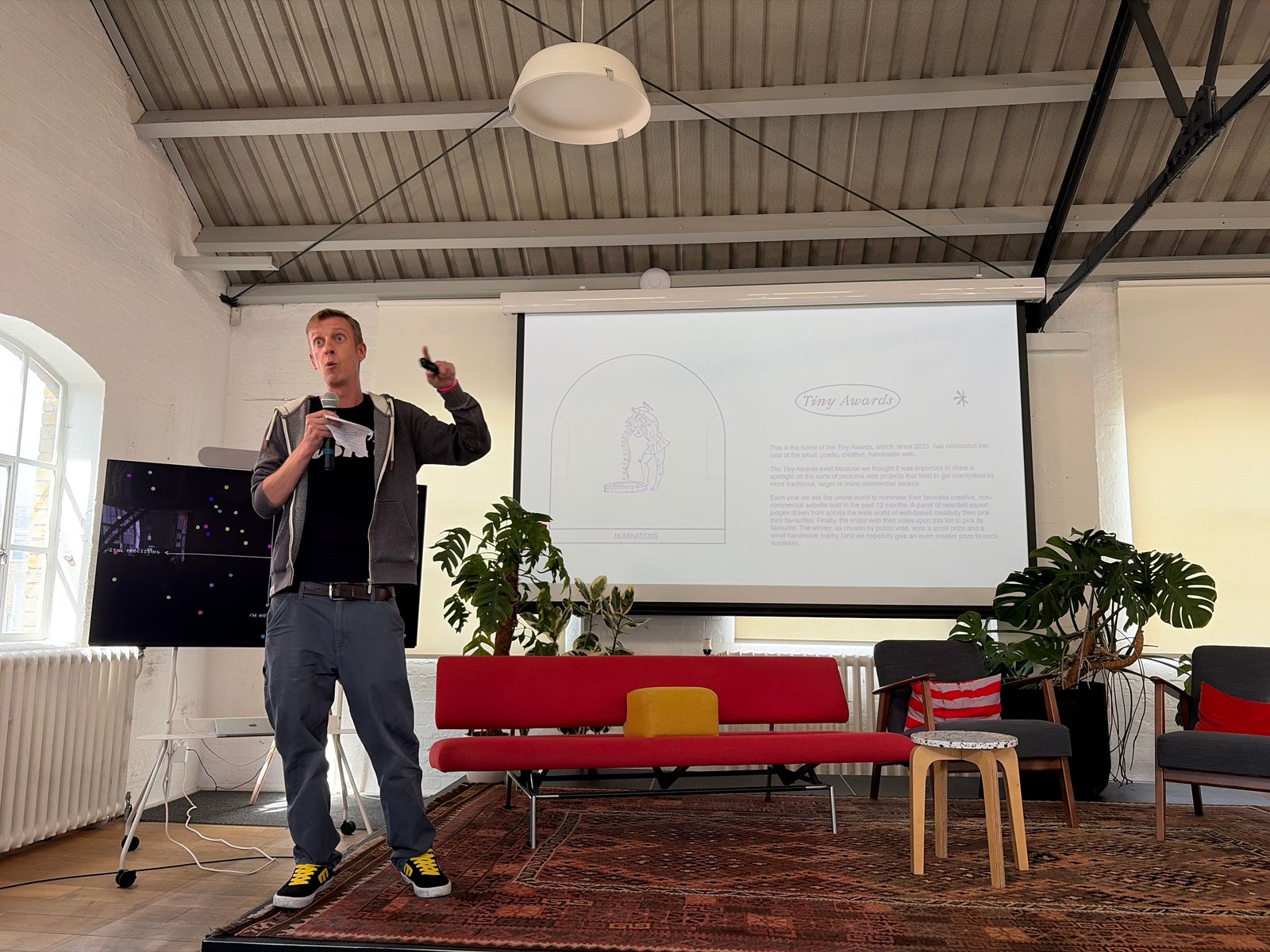
A session with Matt Muir

Everything Online is Weird Now

Matt Muir

Everything Online is Weird Now

Matt Muir

Insight

We've moved from a human web to a machine web — and that's the root of the weirdness

The central thesis: the early web was made by people, for people, and shared out of genuine interest and discovery. That spirit has been eroded. What we experience now is increasingly mediated by systems optimizing for things that have nothing to do with human connection.

1 — What do we actually mean when we say the internet feels "weird" now?

"It feels fragmented — none of it knots together in any meaningful way. It's incoherent, it's extreme; you can't go online for more than five minutes without seeing something that's just a little bit too much. There's a general sense that something is off, that the vibes are somehow wrong about the whole thing."

The diagnosis underneath: the web has fractured into "personalised archipelagos" — swap phones with a close friend and your feeds will be unrecognisable to each other. With no shared centre, mass culture itself has died.
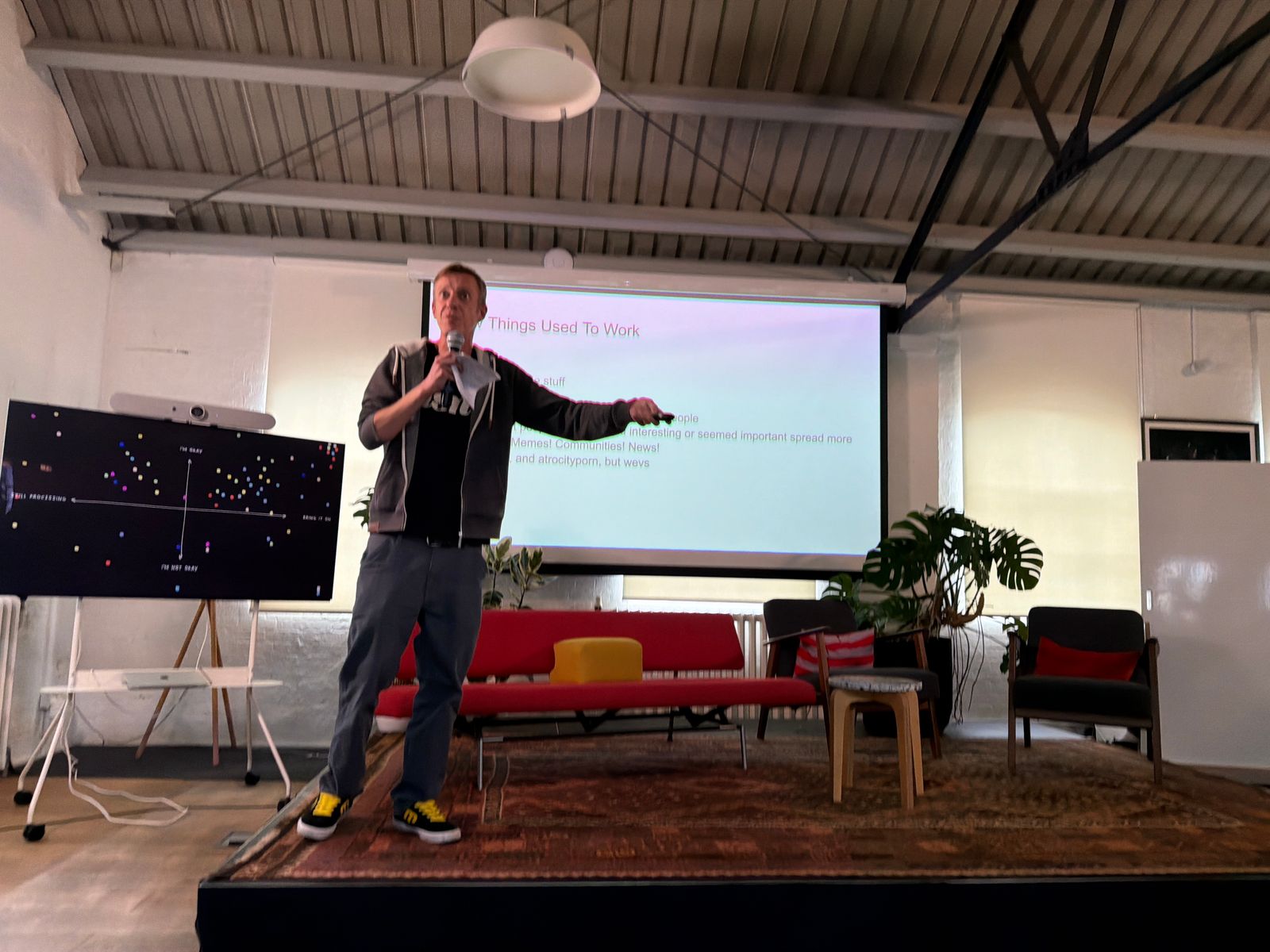
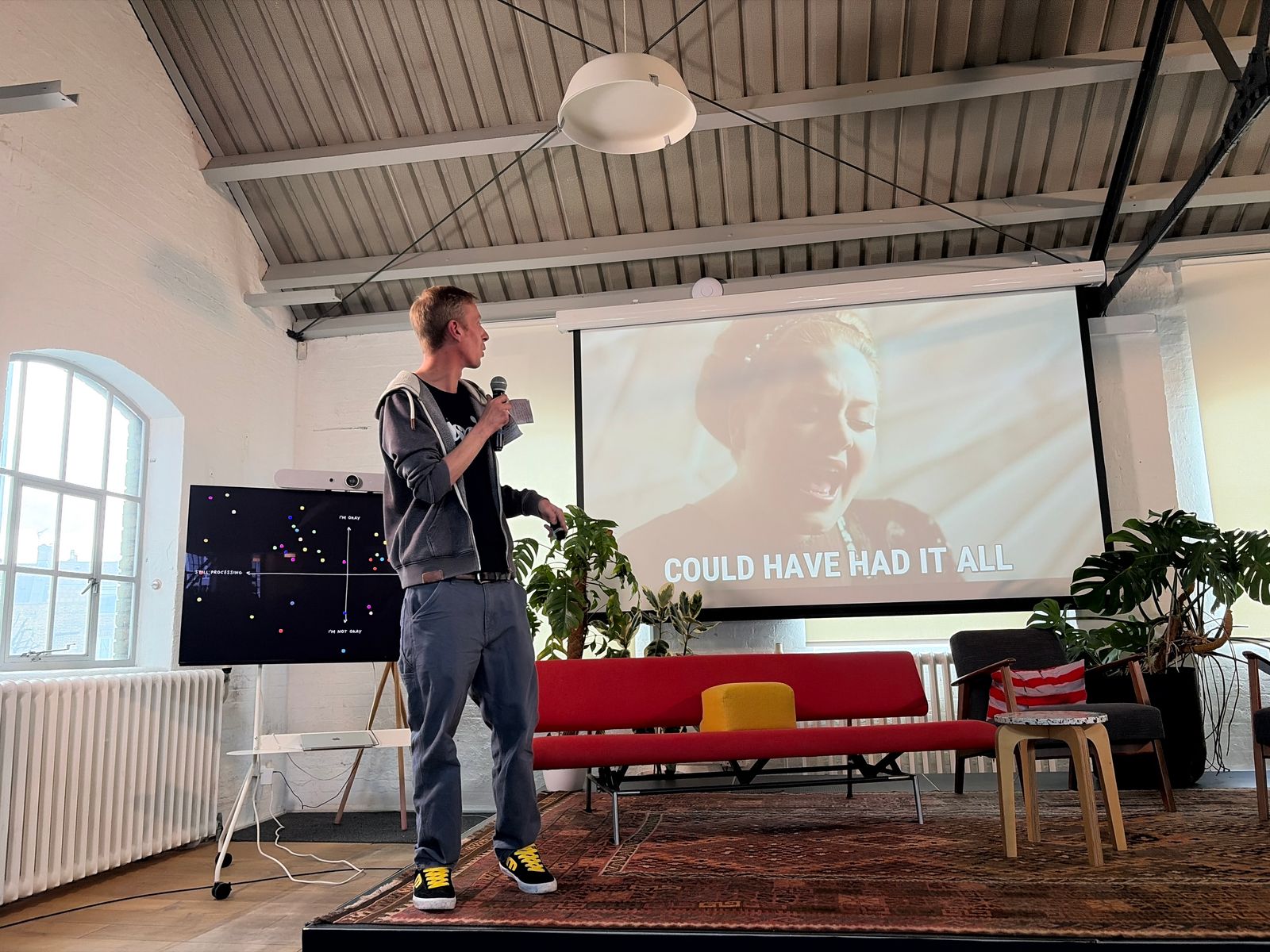
Capitalism!
Insight

Algorithms now shape our experience with math even their creators can't explain

The systems steering what we see have become so complex that the engineers who built them no longer fully understand them. TikTok perfected granular targeting — tagging not just content but the apparent class of an apartment or attractiveness of people on screen — and everyone copied it. The result is a quiet removal of agency: you're fed things that hook you for reasons you can't articulate.

Insight

The creator payout economy has killed sincerity — you can't tell who's being paid

Once payment is attached to attention, every post becomes suspect. Manufactured virality (the "clavicular" example: an estimated $0.5–2M a month spent flooding feeds with clips of a nobody) and pay-per-impression outrage mean culture is weighted by money you can't trace. Nothing reads as organic anymore.

"Anytime you see someone saying something on the internet now, you don't know if they're being paid to say it. Sincerity is gone."

Insight

AI has shattered our shared sense of what's real — and it isn't coming back

The bigger danger isn't "slop" (the web was already full of low-effort "human gunk" long before AI). It's the loss of a shared epistemological foundation. Convincing AI video already exists; soon distinguishing real from fake will be impossible, producing a constant low-grade fatigue of "is what I'm looking at real, and who's getting rich off it?"

2 — The Pornographic Aesthetic of Mainstream Feeds

Creators are increasingly adopting the visual vernacular and color grading of pornography to capture user attention on mainstream platforms, creating a disorienting experience where users are frequently baited by sexualized aesthetics that lead to non-sexual content.

“Stop spending so much time on social media and go find other websites. It can still be beautiful and silly and frivolous, and it can still make you cry.”

0%
Back to programme